

How to Storm Proof Your Garage Door Before Hurricane Season
Hurricane season runs from June 1 through November 30, and your garage door is often the largest and weakest opening on your entire home. When high winds push against a wide span of steel, the door can flex, buckle, or blow inward in a matter of seconds. That single failure does far more than wreck the door, because once wind enters the structure it pressurizes the interior and can lift the roof or push the walls out. Homeowners across Bryan, College Station, and the surrounding Brazos Valley feel the edge of Gulf storms every year through driving rain, sustained gusts, and flying debris. Preparing the door now, before the first named storm forms, gives you time to reinforce the weak points and order any parts you might need. The goal is simple: keep the door in its tracks, keep water out of the garage, and keep your family safe. This guide walks through how the damage happens and the exact steps that strengthen your door for the season ahead.
Why Storm Proofing Your Garage Door Before Hurricane Season Matters
Most people think of a garage door as a convenience, yet during a hurricane it becomes a structural component that protects the entire building envelope. Building scientists have studied roof failures for decades, and a breached garage door shows up again and again as the starting point of the damage. The door covers a span that can stretch sixteen feet or more, so even moderate wind pressure adds up to thousands of pounds of force spread across the panels. A door rated for daily use is not always rated for that kind of load, which is exactly why reinforcement matters so much. Understanding the way wind and water attack the door helps you spend your time and money on the fixes that truly count. The sections below break down the protection a storm ready door provides, the pressure that breaks an unprepared one, and the water damage that follows close behind.
How Storm Proofing Your Garage Door Protects Your Home During Hurricane Season
A storm proofed garage door does its most important job by staying closed and staying in its tracks while the wind hammers the front of your home. When the door holds, the air pressure inside the garage stays balanced with the pressure inside the rest of the house, and the roof system keeps doing what it was built to do. The trouble starts the moment a panel caves or the door pulls free of its tracks, because wind rushes in and has nowhere to escape. That trapped air pushes up on the roof deck and out on the walls at the same time, and the weakest connection gives way first. Engineers call this internal pressurization, and it explains why so many homes lose a roof right after the garage opening fails. By reinforcing the door, you remove the easiest path for that destructive pressure to enter. The result is a home that behaves the way its designers intended during the storm.
The protection also extends to everything you store inside the garage, which for most families is far more than just cars. Water heaters, electrical panels, freezers, tools, and stored belongings all sit just behind that door, and a failure exposes them to wind and rain at the same moment. A door that stays sealed and secured keeps the interior dry and keeps flying debris from turning into projectiles inside your home. People sheltering in a connected room are safer when the garage stays intact, since a blown in door sends panels and hardware in unpredictable directions. The garage frequently shares a wall with living space, so protecting it protects the rooms right next to it. Storm proofing is not only about the door itself but about the chain of damage a single opening can set off. Stopping the problem at the door stops it everywhere downstream.
There is also a financial and practical side to keeping the door intact through hurricane season. Replacing a destroyed garage door after a storm means waiting in a long line behind every other damaged home in the region, and lead times stretch for weeks when demand spikes. A reinforced door that survives the storm lets you keep using your garage, secure your property, and avoid filing a claim in the first place. Insurance carriers increasingly look at how well a home was prepared, and a documented upgrade can support a stronger position if you ever do file. Many homeowners find that the cost of reinforcement is a small fraction of the cost of full replacement plus interior repairs. Spending a little before the season starts almost always beats spending a lot after it ends. The math favors preparation every single time.
How Wind Pressure Damages a Garage Door During Hurricane Season
Wind does not push on a garage door evenly, and that uneven loading is what makes hurricane damage so severe. As gusts strike the front of the house, the door faces positive pressure that tries to push it inward toward the cars and the back wall. At the same time, wind sweeping over and around the structure creates negative pressure, or suction, that tries to pull the door outward away from the opening. The door has to resist both forces, sometimes within the same gust, and the panels flex back and forth as the storm moves through. Standard residential doors are built for the loads of normal weather, not for the sustained design pressures a hurricane delivers. Once the steel skin reaches its limit, panels crease, sections separate, and the entire assembly loses its rigidity. From that point, full failure can happen in a matter of seconds.
The tracks and rollers are another common point of failure when wind pressure builds against the door. Suction can lift the rollers right out of the vertical track, and once one side leaves the track the door twists and jams. The horizontal track sections, which carry the door overhead, can bend or tear away from their mounting brackets when the load exceeds what the fasteners can hold. A door that has popped its track is not only useless during the storm, it becomes a large flap of steel that the wind drives around the opening. Worn or undersized rollers make this far more likely, as does a track that was lightly fastened during the original installation. This is exactly why a full hardware review is part of any serious storm preparation. Strong panels mean little if the track lets go.
The springs and the opener also factor into how a door responds under hurricane wind, though in a less obvious way. A torsion spring system keeps the door balanced and helps it hold its position, and a tired or broken spring leaves the door unbalanced and far easier for wind to move. The opener carriage and its arm are not designed to be the thing that holds a door shut against a hurricane, so relying on the opener alone is a mistake. Many homeowners are surprised to learn that the simple disconnect cord and a basic manual lock add real holding power during a storm. When the spring is healthy and the door is locked at the jambs, the wind has far less leverage to work with. A weak spring, by contrast, turns a borderline situation into a failure. Spring health is one of the quiet factors that decides how a door rides out the season. Need a spring inspection before the storms arrive? Reach out for our garage door spring repair service.
How Water Intrusion Affects Your Garage Door During Hurricane Season
Even a door that holds against the wind can let a surprising amount of water into your garage during a hurricane. Tropical systems push rain sideways at high speed, and that wind driven water finds every gap around the perimeter of the door. The bottom seal is the first line of defense, and a cracked, flattened, or missing seal lets sheets of water flow straight across the threshold. Water also enters along the sides and top of the door where the weatherstripping has dried out or pulled loose over the years. In a hard storm, the garage floor can take on enough water to ruin stored items and reach into adjoining rooms. The problem is rarely a single leak; it is usually several small gaps working together at once. Sealing the door completely is just as important as reinforcing it.
Standing water in a garage causes damage that lasts long after the storm passes. Soaked drywall wicks moisture upward and grows mold within a day or two in our humid Texas climate. Wood framing, baseboards, and the bottoms of cabinets swell and warp once they absorb water. Electrical outlets and any powered equipment sitting low to the floor become safety hazards the moment they get wet. Vehicles, lawn equipment, and stored boxes often sit directly in the path of the incoming water. Cleaning up and replacing all of that costs far more than a new set of seals ever would. Keeping water out protects the structure and everything inside it.
Proper drainage and sealing work together to manage the water a hurricane throws at the door. A fresh bottom seal that matches the door and the floor profile blocks most of the ground level flow. Threshold seals, which mount to the floor itself, add a second barrier that handles minor flooding and pooling at the opening. Side and top weatherstripping should be replaced when it is brittle, gapped, or compressed, since old material simply will not seal under pressure. In low spots, redirecting water away from the door with grading or a simple barrier keeps the volume manageable. Combining these measures stops most storm water before it ever reaches the threshold. A dry garage after a hurricane is almost always the result of sealing done before the storm, not after.
How to Storm Proof Your Garage Door Step by Step Before Hurricane Season
Preparing your garage door for hurricane season follows a clear order, and each step builds on the last. You start by strengthening the door and its bracing so the panels can resist wind pressure, then you seal the perimeter against wind driven rain, and finally you inspect the hardware that holds everything together. None of these steps requires you to gamble with guesswork, because the right parts and methods are well established in the garage door trade. Some of the work is well within reach for a handy homeowner, while reinforcement and hardware repair are usually safer in trained hands. The point is to address every weak link before a storm tests them all at once. Walking through the steps below in order gives you a door that is truly ready when the first system spins up in the Gulf.
How to Reinforce Your Garage Door for Hurricane Season
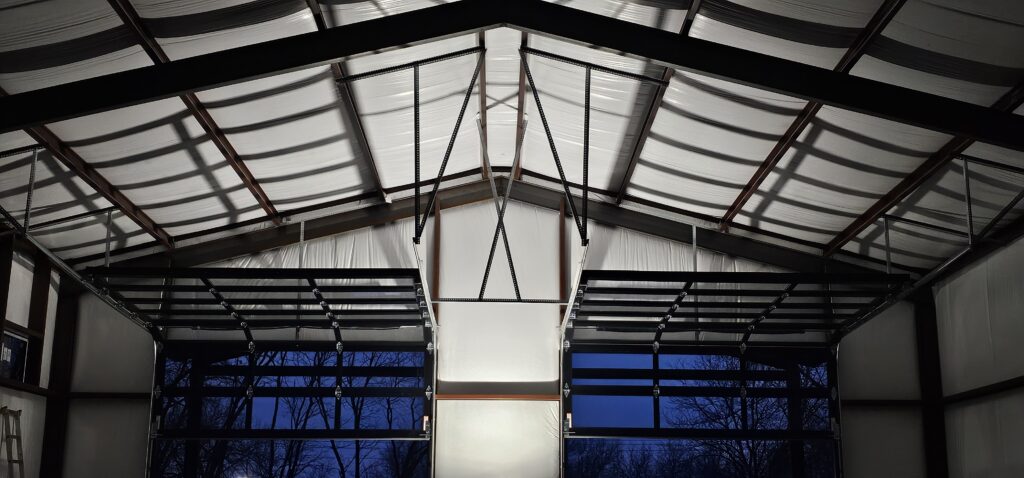
Reinforcing the door starts with adding bracing that spans the width of each panel and ties the sections together. Horizontal struts, which are rigid metal beams that run across the back of the door, stiffen the panels so they cannot flex inward under wind pressure. Many manufacturers sell bracing kits matched to specific door models, and these kits are the backbone of any wind upgrade. The struts attach at the hinge points and the end stiles, spreading the load across the full structure of the door rather than letting it concentrate in the middle. A door that was strong enough for normal weather often needs two or more added struts to reach a true storm ready condition. The width of the door drives how much bracing it takes, since wider doors carry far more total wind load. Getting the strut count and placement right is one of the most important parts of the whole job.
Vertical bracing is the next layer of protection for the widest and most exposed doors. Removable post systems install in the center of the opening and brace the door from the floor to the header, cutting the unsupported span roughly in half. These posts go up before a storm and come down afterward, so they do not interfere with daily use the rest of the year. For homes in the path of strong Gulf systems, this kind of bracing dramatically raises the wind load the door can take. The post anchors at the floor and at the top must be installed correctly, since a brace is only as strong as its connections. Combining horizontal struts with a center post gives even a large double door a serious chance of surviving sustained hurricane force wind. Many homeowners keep the post stored in the garage and install it only when a storm is forecast.
For some homes, the smartest reinforcement is replacing an aging door with a new wind rated model built for the load. Modern impact rated and wind rated doors are engineered and tested to specific design pressures, so you know exactly what they can handle. These doors arrive with the right gauge steel, reinforced sections, heavy tracks, and the bracing already built into the design. If your current door is old, dented, or already struggling to operate smoothly, an upgrade often makes more sense than bracing a worn out unit. A new door also improves insulation, security, and curb appeal, so the benefits last well beyond hurricane season. Want a stronger door built for high wind? Take a look at our garage door installation service. Choosing the right door for your exposure is a decision worth making with a professional who knows the local conditions.

How to Seal Your Garage Door Against Storm Water Before Hurricane Season
Sealing the door begins at the bottom, where most storm water tries to enter. Inspect the bottom seal, also called the astragal, by closing the door and looking for daylight or gaps along the floor. A seal that is cracked, hardened, or torn no longer presses tight against the slab and should be replaced before the season starts. Bottom seals slide into a retainer on the bottom of the door, and matching the new seal to your retainer profile is the key to a proper fit. On an uneven floor, a wider or bulb style seal conforms better and closes the larger gaps. Replacing this single part is one of the highest value steps you can take for water protection. It is inexpensive, and it stops the largest single source of intrusion.
The threshold seal works together with the bottom seal to handle water that pools at the opening. Unlike the bottom seal, the threshold mounts to the garage floor itself and creates a low ridge that water has to climb to get inside. This is especially useful when the driveway slopes toward the garage or when heavy rain overwhelms the area drains. The threshold also helps block leaves, dust, and pests during the rest of the year, so it earns its keep beyond storm season. Installation calls for a clean, dry floor and the right adhesive so the seal bonds firmly and stays put. Paired with a good bottom seal, the threshold turns a leaky opening into a dependable barrier. Many homeowners are surprised how much water this simple ridge holds back.
The sides and top of the door need attention too, since wind driven rain attacks the perimeter from every angle. Vertical weatherstripping mounts to the door jambs and presses against the edge of the door to close the side gaps. The top of the door uses a similar strip or a flexible flap that seals against the header. Over the years this material dries out, cracks, and pulls loose, leaving openings that rain exploits in a storm. Replacing brittle weatherstripping with fresh, flexible material restores a tight seal all the way around. Take the time to check the corners, where the side and bottom seals meet, because that junction is a frequent leak point. A complete perimeter seal is what keeps the garage dry when the rain is coming in sideways.
How to Inspect Garage Door Hardware Before Hurricane Season
Hardware inspection ties the whole storm preparation together, because reinforcement and seals depend on solid mounting. Start with the tracks, checking that the vertical and horizontal sections are straight, free of dents, and firmly bolted to the framing. Loose lag bolts and light duty fasteners are common, and a track that is barely attached will not hold under hurricane suction. Tighten every bracket, and upgrade undersized fasteners to heavier lag screws driven into solid framing. Look at the rollers next, replacing any that are worn, cracked, or sloppy in the track, since strong rollers help keep the door captured during high wind. Hinges deserve the same review, with attention to elongated holes, cracks, and missing bolts. Solid hardware is what lets the rest of your upgrades do their job.
The springs and cables carry the full weight of the door and deserve careful attention before any storm. A torsion spring that is rusted, gapped, or near the end of its cycle life can fail at the worst possible moment and leave the door unbalanced. Lift cables that are frayed or kinked are a serious safety hazard and should never be ignored. These parts are under extreme tension, and adjusting or replacing them is not a do it yourself task for an untrained homeowner. A trained technician can measure the spring, check the balance, and replace worn parts safely with the right tools. A properly balanced door holds its position better and puts less strain on every other component during a storm. This is the kind of inspection that pays off long after hurricane season ends.
Finally, confirm that the door can be secured and operated when the power goes out, which happens in nearly every hurricane. Locate the manual release cord and make sure the disconnect works smoothly so you can operate the door by hand. Install or test the slide locks at the sides of the door, since a positive mechanical lock adds real holding power against wind that an opener alone cannot match. Check the opener mounting and the arm connection, and clear any obstruction sensors so the door closes fully and seals at the floor. Keep the remote and keypad working, but plan for hand operation as your backup. A door you can lock and operate without electricity is a door you control through the entire storm. Running through these checks now removes the scramble later. If anything looks worn or damaged during your inspection, schedule our garage door repair service.
Why You Need Professional Garage Door Storm Proofing Before Hurricane Season
Storm proofing your garage door touches structural reinforcement, high tension springs, precise sealing, and hardware that has to perform under extreme load. Some of this work suits a careful homeowner, but the parts that protect your family and your roof deserve trained hands. A professional knows the local wind conditions, the right bracing for your specific door, and the safe way to handle components under tension. Scheduling the work before the season starts means you avoid the rush, get the parts you need, and walk into June with a door that is fully ready. The sections below explain why professional storm proofing beats a rushed do it yourself job, why timing matters, and why local homeowners trust Secure Overhead Door.
Why Professional Garage Door Reinforcement Beats DIY Storm Prep
A professional brings the experience to spot weak points that a homeowner often misses during storm prep. The right strut count, the correct fasteners, and the proper anchor points all depend on the specific door and opening, and a guess can leave dangerous gaps. Trained technicians work with wind load ratings every day, so they match the reinforcement to the exposure your home actually faces. They also carry the parts and tools that turn a multi weekend project into a single, clean visit. The result is a door that performs the way the upgrade is supposed to, not one that merely looks reinforced.
Safety is the biggest reason to leave the high tension work to a professional. Garage door springs and cables store enough energy to cause serious injury when handled without the right tools and training. A technician releases and sets that tension safely, then verifies the door is balanced before signing off on the job. Mistakes in this area do not just risk the project, they risk hands, eyes, and worse. Letting a trained pro handle springs, cables, and heavy bracing keeps the whole job safe from start to finish.
Professional work also comes with accountability that a do it yourself attempt cannot offer. When a trained crew reinforces and seals your door, the work is done to a standard and backed by the company that performed it. If a part is wrong or a seal does not hold, you have someone to call rather than starting over alone. That accountability matters most during hurricane season, when a failure carries real consequences. Hiring a professional turns storm proofing from a hopeful project into a dependable result.
Why Scheduling Garage Door Storm Proofing Early Saves Money
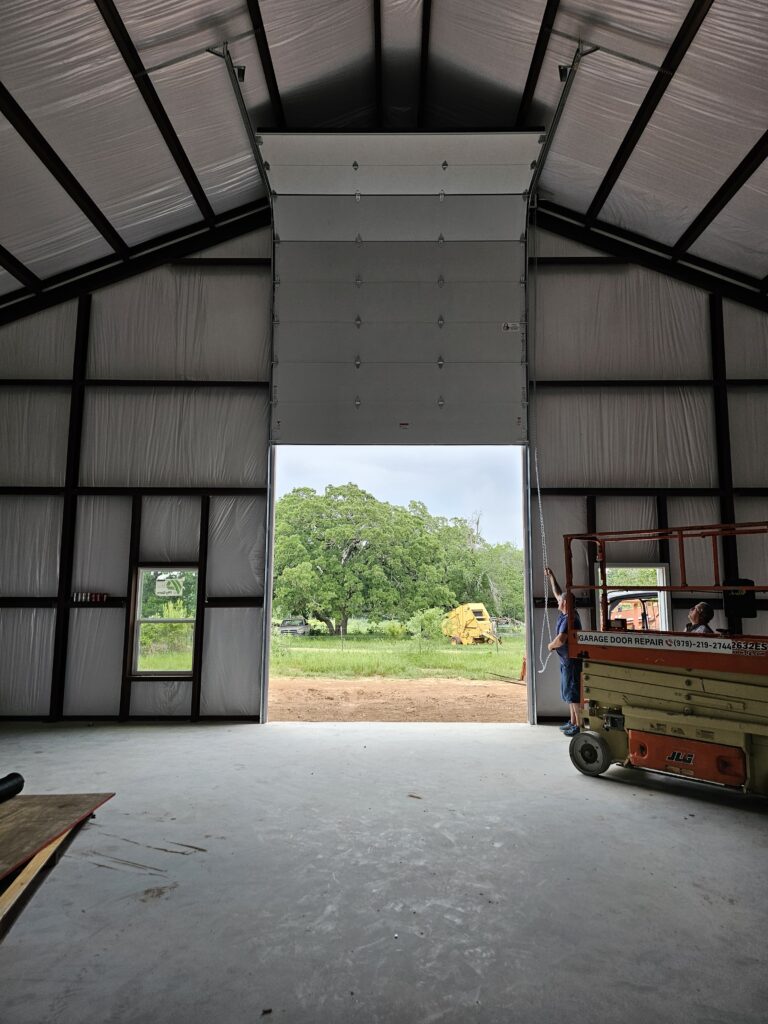
Timing is everything when it comes to storm preparation, and early scheduling pays off in several ways. Before the season ramps up, technicians have open calendars, parts are in stock, and you can pick a date that works for you. Once a storm enters the forecast, every garage door company in the region fills up within hours and parts move fast. Booking now means the work is finished and tested long before you need it. Calm planning always beats a last minute scramble.
Early preparation also prevents the far larger costs that follow a door failure. A reinforced door that survives the storm saves you from replacing the door, repairing the roof, and cleaning up water damage all at once. Those combined repairs dwarf the cost of bracing and seals installed ahead of time. Insurance deductibles, temporary housing, and lost belongings add even more to the final bill after a failure. Spending a modest amount before the season is the clear financial winner.
There is also the peace of mind that comes from being ready well in advance. When a storm appears in the Gulf, prepared homeowners spend their energy on family and final preparations rather than chasing a tradesperson. You already know your door is reinforced, sealed, and inspected, so it drops off your worry list entirely. That confidence is hard to put a price on during a stressful season. Getting the work done early simply makes the whole season easier.
Why Choose Secure Overhead Door for Hurricane Season Garage Door Storm Proofing
Secure Overhead Door serves College Station, Bryan, and the surrounding Brazos Valley communities with honest, dependable garage door service. We focus on quality work built for long term performance, not quick fixes that fail when you need them most. Our team reinforces, seals, and inspects doors with the local storm conditions in mind, so your preparation fits the real risk you face. We believe in honest service without unnecessary upselling, recommending only the upgrades that actually protect your home. From the first call to the final test, we treat your home the way we would treat our own.
We offer free estimates on garage door repair and installation, so you can plan your storm preparation with clear numbers up front. For homeowners who want to spread the cost, financing is available through Hearth Financing. We handle both residential and commercial garage door needs, which means we are ready to protect a single family home or a busy business. Our 24/7 emergency garage door service stands behind you when a storm does strike and you need help fast. You are never left waiting through a crisis when you work with us.
Choosing Secure Overhead Door means choosing a team dedicated to five star service on every visit. We take our reputation seriously, and that shows in the care we bring to each reinforcement, seal, and repair. Reach us at (979) 219-2744 or email derick@secureoverhead.com to schedule your storm preparation before hurricane season arrives. Stop by our shop at 360 Graham Rd Suite 112 in College Station to talk through your options in person. Let us help you face the season with a garage door you can trust.