

The Hidden Reason Your Spring Allergies Are Worse in the Garage
Spring in College Station brings blooming flowers, warmer temperatures, and unfortunately, a wave of seasonal allergies. Many homeowners assume their sneezing and congestion stem from outdoor pollen, but the garage often plays a surprising role. Pollen, mold spores, and dust accumulate in this space and travel into your home through shared walls and doorways. A poorly sealed garage door allows allergens to enter freely, turning your garage into an allergen reservoir. Understanding the connection between your garage door and indoor air quality can help you breathe easier this season. Secure Overhead Door helps homeowners across the Brazos Valley address these hidden issues with practical garage door solutions.
How Your Garage Door Affects Spring Allergens in Your Home
Your garage door acts as the largest moving barrier between your home and the outdoors, which makes it a major entry point for spring allergens. Worn weather seals, gaps along the bottom, and damaged side trim allow pollen, dust, and mold spores to drift inside. Once these particles settle in your garage, they get tracked into your living spaces on shoes, clothing, and pets. Vehicles parked inside also bring in pollen from outdoor surfaces. Air pressure changes when the door opens and closes, pushing allergen-filled air toward interior doors that connect to the home. Addressing these entry points reduces allergy symptoms significantly.
Why Spring Allergens Enter Through a Faulty Garage Door
Spring pollen counts in Central Texas peak between March and May, with oak, ash, and grass pollen reaching high levels. A garage door with worn or cracked weatherstripping creates a direct pathway for these particles. The bottom seal, also called the astragal, compresses each time the door closes; over time, it loses elasticity and develops gaps. Side and top seals suffer similar wear from sun exposure and temperature swings common in our region. Even a quarter inch gap along the bottom can allow significant pollen infiltration during windy spring days. Homeowners often notice dust lines along garage walls, which signal active air leaks. Replacing seals on a regular schedule keeps allergens out and improves overall comfort.
Mold spores represent another major spring allergen that thrives in garages. Spring rains in College Station create humid conditions that encourage mold growth on stored items, drywall, and concrete floors. A garage door that fails to seal properly traps moisture inside, accelerating mold development. Cardboard boxes, old rugs, and yard equipment provide ideal surfaces for spores to multiply. Once airborne, these spores trigger allergic reactions and aggravate asthma symptoms. Proper ventilation combined with a tight-sealing garage door reduces moisture buildup substantially. Homeowners with chronic allergies often see noticeable improvement after addressing both issues.
Dust and debris from outdoor sources compound the spring allergy problem in your garage. Construction activity, road traffic, and agricultural work in surrounding areas generate fine particulate matter that drifts through gaps in your garage door. This dust mixes with pet dander, fiberglass insulation fibers, and dried plant material already present in the space. Each time the door opens, air currents stir up these particles and push them toward your home’s interior. Children playing in the garage or homeowners using it as a workshop face higher exposure levels. Sealing your garage door properly creates a meaningful barrier against this constant influx. The result is cleaner air throughout your entire home.
How Garage Door Components Worsen Spring Allergy Symptoms
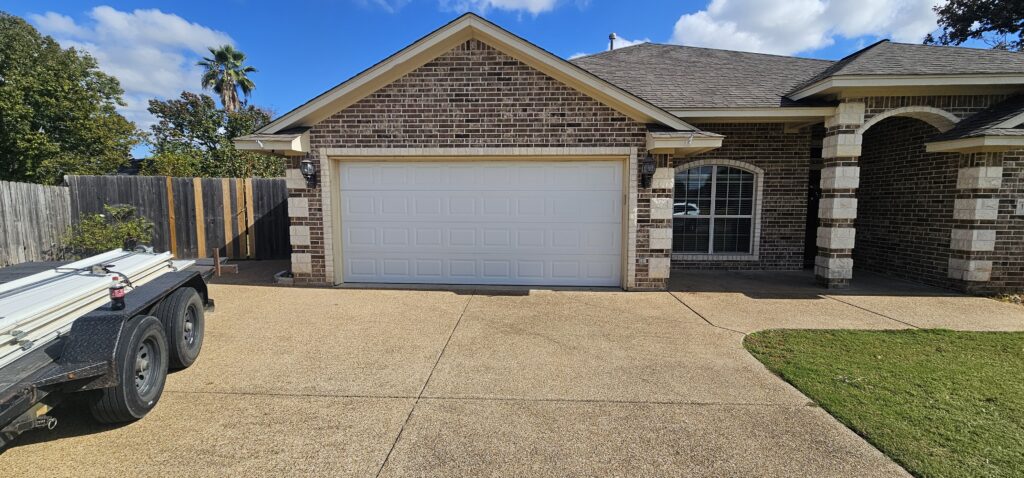
Garage door panels themselves can harbor allergens when they develop cracks, dents, or warping. Damaged panels create small openings that let pollen and dust slip through unnoticed. Insulated doors with compromised cores also lose their ability to block temperature-driven air movement, which carries allergens with it. Older wooden doors are particularly prone to gaps as they expand and contract with seasonal humidity changes. Steel doors hold up better but still require inspection for rust spots and seal failures. A professional inspection identifies these weak points before they become major problems. Replacing damaged panels restores your garage door’s protective function.
Garage door tracks and rollers collect dust and pollen throughout the spring season. Dirty tracks cause the door to move unevenly, which prevents a tight seal when closed. Misaligned rollers create gaps along the sides of the door where allergens enter freely. Lubricants applied to these components also attract airborne particles, building up grime over time. Regular cleaning and proper lubrication keep the door operating smoothly and sealing tightly. This maintenance step often gets overlooked but plays a key role in allergen control. Need help with your garage door this spring? Click here for our garage door repair services to schedule an inspection.
Garage door springs and openers indirectly affect allergen levels by controlling how the door operates. A door that closes too slowly allows more outdoor air to enter during each cycle. Worn springs cause uneven closure, leaving gaps along one side or the other. Openers without proper force settings may stop short of full closure, creating a persistent gap at the bottom. These mechanical issues compound the sealing problems caused by worn weatherstripping. Addressing them as part of a complete garage door tune-up delivers the best results. Homeowners often find that fixing operational issues reduces allergen entry significantly.
Why Sealing Your Garage Door Reduces Spring Allergens Indoors
A properly sealed garage door creates a measurable barrier against outdoor allergens entering your home. Quality weatherstripping along the bottom, sides, and top of the door blocks pollen, dust, and spores from drifting inside. Modern thresholds installed at the garage floor add another layer of protection by filling small gaps in concrete. Together, these components reduce allergen infiltration by a substantial margin. Homeowners with seasonal allergies report fewer symptoms after upgrading their door seals. The improvement extends beyond the garage itself, affecting overall indoor air quality throughout the home. This makes sealing a worthwhile investment for allergy sufferers.
Air pressure dynamics inside your home also benefit from a well-sealed garage door. When the door closes tightly, it prevents the pressure changes that push allergen-filled air through interior doors. This is especially important for homes with attached garages, where shared walls and doorways create direct pathways. A sealed garage door works alongside your HVAC system to maintain cleaner indoor air. Reducing the load on air filters means they capture allergens more effectively in the rest of the house. The combined effect produces noticeable improvements in air quality during peak pollen season.
Sealing improvements pay dividends beyond allergy relief by lowering energy costs and protecting stored items. A tight seal keeps conditioned air from escaping and prevents hot, humid Texas air from entering. This reduces strain on your home’s cooling system during warmer spring days. Stored belongings, vehicles, and tools also benefit from more stable temperature and humidity conditions. Mold growth slows, metal tools resist rust longer, and paper goods stay drier. These secondary benefits make garage door sealing a smart spring maintenance task. Most homeowners recover the investment through energy savings and reduced replacement costs over time.
Spring Garage Door Maintenance Tips to Reduce Allergens
Regular spring maintenance keeps your garage door performing at its best and minimizes allergen entry into your home. A focused inspection of seals, panels, and hardware identifies problems before they worsen. Cleaning the garage itself removes accumulated pollen and dust that contribute to indoor air quality issues. Combining these efforts produces the strongest results for allergy sufferers. Spring is the ideal time for this work because pollen levels rise quickly and damage from winter weather becomes apparent. Scheduling maintenance early in the season prevents allergens from establishing a foothold. A small investment of time delivers significant comfort improvements.
Spring Maintenance Steps That Reduce Garage Door Allergens
Start your spring garage door maintenance by inspecting all weatherstripping for cracks, tears, or compression damage. Run your hand along the bottom seal while the door is closed to feel for gaps or stiff spots. Check side seals for daylight visible from inside the garage, which indicates a sealing problem. Top seals often get overlooked but suffer significant wear from sun exposure. Replace any damaged sections promptly with quality materials suited to our College Station climate. UV-resistant rubber and vinyl seals last longer than basic alternatives. This single step often produces the biggest improvement in allergen control.
Cleaning the garage door itself removes pollen and dust that accumulate on surfaces. Use a soft brush or cloth with mild detergent to wash both sides of the door panels. Pay attention to seams, hinges, and decorative hardware where particles collect. Rinse thoroughly to remove all residue, then allow the door to dry completely before applying any protective treatments. This cleaning prevents allergens from being stirred up each time the door operates. It also reveals any panel damage that might need professional attention. Schedule this task on a calm day to avoid recontamination from windblown pollen.
Track and roller maintenance rounds out the spring inspection routine. Wipe tracks clean with a dry cloth to remove dirt buildup, then inspect them for dents or misalignment. Apply a quality garage door lubricant to rollers, hinges, and springs as recommended by the manufacturer. Avoid using grease or heavy oils that attract dust and create grime. Test the door’s operation after cleaning to confirm smooth movement and full closure. Listen for unusual sounds that might indicate worn components needing replacement. Want professional spring maintenance? Click here for our garage door services to book an appointment with our team.
How a Spring Tune-Up Improves Garage Door Allergen Control
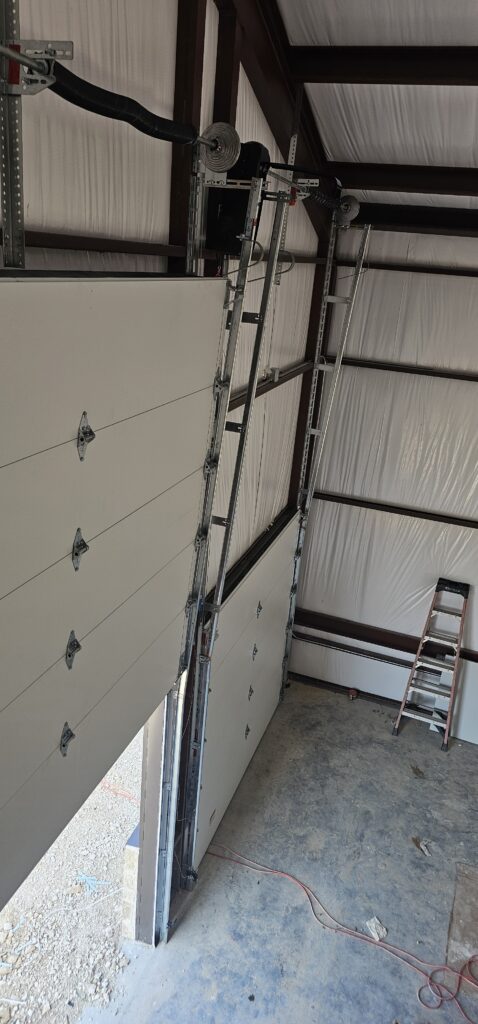
A professional spring tune-up addresses issues that homeowners might miss during a basic inspection. Technicians check spring tension, opener force settings, and safety sensor function as part of a complete service. They identify worn parts before failure occurs, preventing the gaps and operational problems that let allergens inside. Proper adjustment of the opener ensures the door closes fully every time, eliminating persistent bottom gaps. Spring tension affects how tightly the door seals against its stops, which influences allergen entry. These technical adjustments require experience and proper tools to complete safely. The result is a door that operates better and seals more effectively.
Tune-up services also include lubrication of moving parts with appropriate products. Professional-grade lubricants resist dust accumulation better than consumer alternatives. They penetrate hinges, bearings, and spring coils to reduce friction without attracting debris. This extends component life and maintains smooth operation throughout the allergy season. Quiet operation indicates a properly maintained door, while grinding or squeaking suggests problems. Addressing these issues during a tune-up prevents larger repairs later. Most homeowners find annual spring service keeps their door reliable for many years.
Safety inspections form an important part of the spring tune-up process. Technicians test photo eye sensors, auto-reverse function, and manual release mechanisms to confirm proper operation. They examine cables for fraying, drums for wear, and mounting brackets for tightness. Any of these components can fail without warning, creating safety hazards or operational problems. A door that functions safely also seals properly, contributing to allergen control. Documentation of the inspection provides peace of mind and a maintenance record. Homeowners benefit from knowing their door meets current safety standards.
Why Professional Spring Service Reduces Garage Door Allergen Issues
Professional spring service brings expertise and equipment that homeowners typically lack. Technicians recognize subtle signs of seal failure, panel damage, or hardware wear that escape casual inspection. They carry replacement parts suited to common garage door brands, allowing same-day repairs in many cases. Their experience with Central Texas weather patterns informs their recommendations for our specific climate. This local knowledge produces better outcomes than generic maintenance advice. Homeowners save time and avoid the frustration of trial-and-error repairs. The peace of mind from professional service is itself a valuable benefit.
Quality replacement materials make a significant difference in long-term allergen control. Professional-grade weatherstripping outlasts hardware store alternatives by several years in our climate. Insulated panels, premium thresholds, and durable seals all contribute to better sealing performance. Technicians source these materials through commercial suppliers, ensuring consistent quality. Installation techniques also affect how well materials perform over time. Proper compression, alignment, and fastening produce seals that stay tight through temperature swings and heavy use. These details separate professional results from DIY attempts.
Ongoing relationships with a trusted garage door company provide year-round benefits. Spring service often reveals issues that warrant follow-up attention later in the year. Homeowners who establish service relationships receive priority scheduling and consistent quality. Technicians become familiar with specific doors and their service histories, improving diagnostic accuracy. Emergency situations get faster response from companies that already know the property. This continuity produces better outcomes than calling different contractors each time. Building this relationship during routine spring service pays dividends for years.
Why You Need Secure Overhead Door for Spring Garage Door Service
Spring allergies make a properly sealed garage door more important than ever for College Station homeowners. Secure Overhead Door provides the inspections, repairs, and replacements needed to keep allergens outside where they belong. Our team understands the specific challenges Central Texas weather creates for garage doors and seals. We work efficiently to minimize disruption while delivering quality results. Honest recommendations and transparent pricing build the trust our customers expect. Reach out to schedule your spring garage door service today.
Why Spring Garage Door Service Matters for Your Family’s Health
Indoor air quality directly affects health, especially for family members with allergies or asthma. Spring brings the highest allergen loads of the year in our region, making this season critical for sealing improvements. Children and older adults often suffer more severe symptoms from elevated pollen and mold spore levels. A properly maintained garage door reduces these triggers throughout your home. Investments in air quality produce health benefits that extend well beyond convenience. Many homeowners report fewer doctor visits and reduced medication needs after addressing allergen entry points.
The cumulative effect of small allergen sources adds up quickly during peak pollen season. Each gap in your garage door contributes to the allergen load your HVAC system must handle. Filters clog faster, air quality drops, and symptoms worsen. Addressing these sources at their entry point produces better results than treating symptoms alone. Spring service interrupts this cycle before it establishes itself for the season. Homeowners notice the difference within days of completing the work. The improvement justifies the modest cost of professional service.
Long-term health benefits from improved indoor air quality are well documented. Reduced exposure to allergens lowers the risk of developing chronic respiratory conditions. Children raised in cleaner indoor environments show better outcomes in many health measures. Even pets benefit from reduced allergen levels in the home. These factors make garage door sealing an investment in your family’s long-term wellbeing. Spring service provides the perfect opportunity to make these improvements before peak allergy season hits.

Why Spring Garage Door Repairs Save Money in the Long Run
Catching small problems early prevents expensive repairs later in the year. Worn weatherstripping is inexpensive to replace, but the moisture and pest damage it allows can cost much more. Cracked panels worsen quickly under summer sun and heavy use, leading to full replacement needs. Spring inspections identify these issues while solutions remain affordable. The savings often exceed the cost of professional service many times over. Homeowners who skip spring maintenance frequently face larger bills later.
Energy savings from a properly sealed garage door add up throughout the year. Cooling costs in our region run high from late spring through early fall, making efficiency improvements valuable. A tight garage door seal reduces heat transfer into attached homes, easing the load on air conditioning systems. These savings continue every month, building substantial value over time. Spring service positions homeowners to capture these benefits during the highest-cost cooling months.
Component longevity improves significantly with regular maintenance. Springs, openers, and hardware all last longer when properly lubricated and adjusted. Replacement costs for major components run into hundreds of dollars, making prevention worthwhile. Spring tune-ups extend service life by years in many cases. This delays major expenses and keeps your garage door reliable. The financial benefits compound over time, making annual service one of the smartest home maintenance investments available.
Why Choose Secure Overhead Door for Your Spring Garage Door Needs
Secure Overhead Door has built a reputation across College Station for honest service and quality workmanship. We focus on long-term performance, recommending only the repairs and replacements your door actually needs. Our technicians arrive on time, communicate clearly, and complete work efficiently. Free estimates on repair and installation work give homeowners confidence in our pricing. Financing through Hearth Financing makes larger projects accessible for any budget.
Our team handles residential and commercial garage door work throughout the Brazos Valley. We stock common parts for fast repairs and source quality materials for replacements. Twenty-four seven emergency service means help is available when you need it most. Years of local experience inform our recommendations for our specific climate and conditions. This expertise produces better outcomes than generic service from out-of-area providers.
Customer satisfaction drives everything we do at Secure Overhead Door. Five star service on every visit is our standard, supported by attention to detail and respectful treatment. We take time to explain options and answer questions thoroughly. Repeat customers and referrals form the foundation of our business, reflecting the trust we work hard to earn. Call us at (979) 219-2744 or email derick@secureoverhead.com to schedule your spring garage door service today.